

Penny stocks in a falling market look like the smartest move you can make. They are not. Every time the Nifty or Sensex drops, thousands of fresh investors make the same devastating mistake — rushing toward stocks priced between ₹5 and ₹50, convinced that a low share price equals a great opportunity. This belief has quietly destroyed more retail portfolios than any market crash ever could.
What Are Penny Stocks and Why Do Investors Chase Them in a Down Market?
When markets fall, fear and excitement collide. Investors see blue-chip stocks dropping and feel the pain of loss. Then they discover stocks at ₹8, ₹15, ₹22 — and suddenly feel in control again. “I can buy 5,000 shares for ₹50,000,” they think. “If this just goes to ₹50, I’ve made ₹2,00,000.”
That lottery ticket thinking is exactly what makes penny stocks in a falling market so dangerous. The fantasy feels mathematical. The reality is a trap.
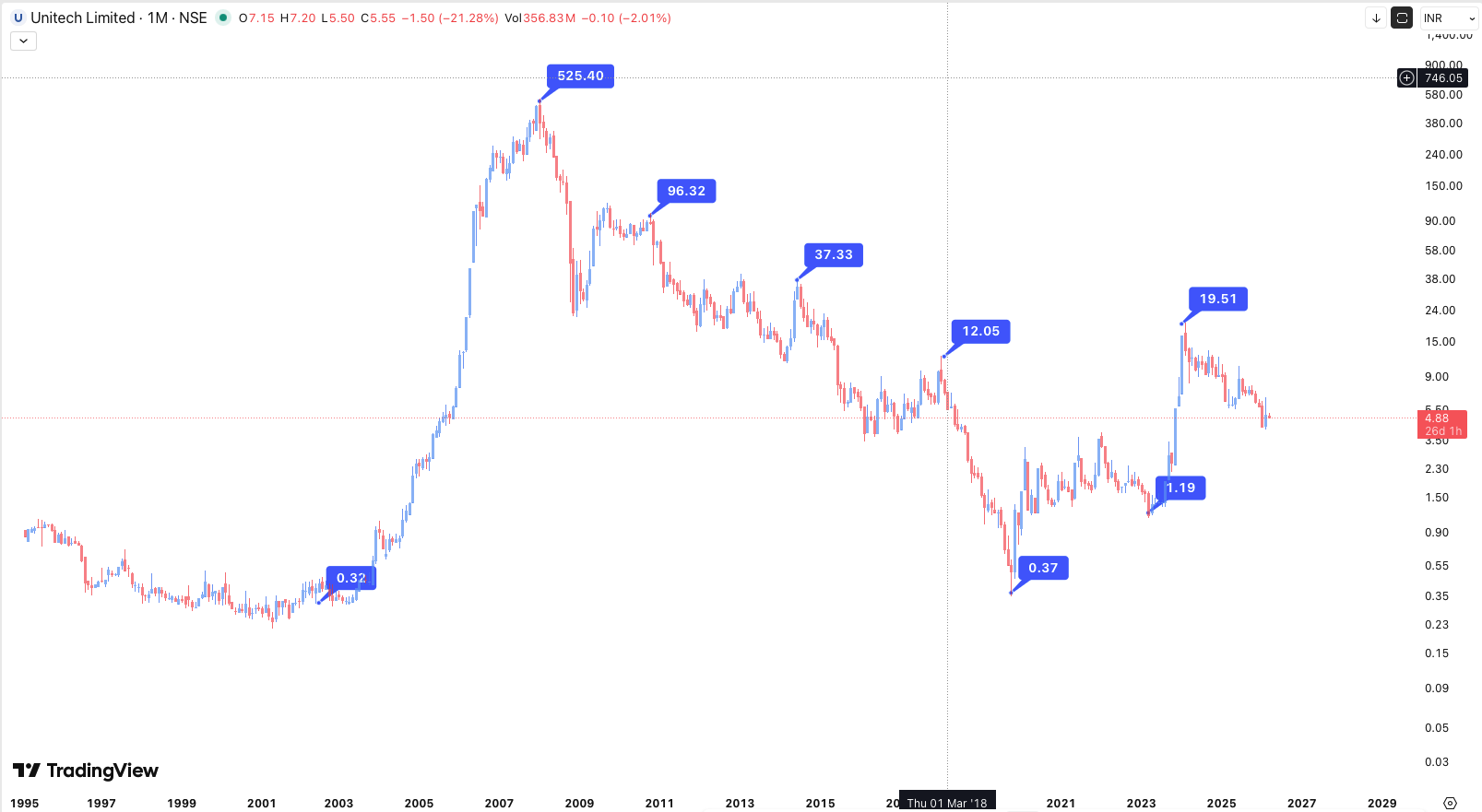
1. Share Price Is Not Stock Value — Ever
This is the most important truth in investing that no WhatsApp group will ever tell you.
A share is simply a fractional ownership unit of a company. Its price is determined by dividing total market capitalisation by total shares outstanding. A company with 10 crore shares will show a very different price than one with 100 crore shares — even if both businesses are identical in size and earnings.
A stock at ₹1,800 is not expensive. A stock at ₹14 is not cheap. These numbers mean nothing without context.
What actually matters:
- Earnings per share growth over 5 years
- Debt-to-equity ratio
- Return on equity
- Free cash flow generation
- Valuation relative to earnings growth
HDFC Bank at ₹1,600 and a failing NBFC at ₹18 are not comparable on price. They are only comparable on business quality — and on that measure, there is no comparison at all.
2. Penny Stocks in a Falling Market Are Cheap for a Reason
Quality stocks fall during corrections because of market-wide sentiment, not because their business has broken down. A fundamentally strong company at ₹1,400 — down from ₹1,800 — is the same excellent business it was three months ago. The market has simply repriced it temporarily.
Penny stocks at ₹10 are not temporarily cheap. They are structurally cheap. The market has priced them low consistently because institutional investors — who do the deepest research — have consistently found them uninvestable.
Ask yourself one question before buying any stock under ₹100: why has no serious fund manager bought this? The answer is almost always the same. Weak earnings. Poor management. No competitive moat. High promoter debt. Consistent equity dilution.
The market is not always right. But when every informed participant has avoided a stock for years, the price is telling you something important.
3. Liquidity Disappears Exactly When You Need It Most
One of the most overlooked dangers of penny stocks in a falling market is liquidity risk. Retail investors feel safe buying 10,000 shares at ₹8 because the position size feels manageable. What they do not consider is what happens when they need to sell.
Penny stocks are thinly traded. On most days, volumes are low. During a broader market crisis — the exact moment you need to exit — buyer interest evaporates entirely. You may find yourself holding 10,000 shares with no bids on the other side.
Quality stocks priced between ₹1,000 and ₹2,000 trade in high volumes daily. Even during sharp corrections, there are always buyers and sellers. You can exit when you need to. That liquidity is not a luxury — it is a critical risk management tool.
4. The Number of Shares You Own Is Completely Irrelevant
This is where the penny stock psychology runs deepest. Owning 8,000 shares feels more powerful than owning 6 shares. It is not.
Your return is determined entirely by the percentage change in the stock price multiplied by your invested capital — not by the number of units you hold. Whether you own 8,000 shares at ₹10 or 6 shares at ₹1,800, you have deployed roughly ₹80,000 in either case. What matters is which business grows.
Consider this real comparison over a 3-year correction and recovery cycle:
- Investor A buys 10,000 shares at ₹10 in a penny stock. Stock moves to ₹7. Loss: ₹30,000.
- Investor B buys 55 shares at ₹1,800 in a quality mid-cap. Stock moves to ₹2,900. Gain: ₹60,500.
Same starting capital. Opposite outcomes. The only variable was the quality of the business behind the share price.
5. Institutional Money Never Flows Into Penny Stocks During Recovery
Here is what separates a stock that recovers from one that does not: institutional participation.
When a market correction bottoms out and recovery begins, mutual funds, insurance companies, and foreign institutional investors deploy large capital into fundamentally strong businesses. This buying pressure drives prices up steadily and sustainably. These institutions never touch penny stocks — their compliance frameworks, liquidity requirements, and research standards rule them out entirely.
This means penny stocks in a falling market have no recovery engine. They may get a brief speculative pump driven by operator activity or social media hype. But without genuine institutional buying, there is no sustained upward movement. The retail investor who bought at ₹10 during the crash watches the stock bounce to ₹12 and then drift back to ₹7 — while the broader market has recovered 40%.
What Smart Investors Actually Buy in a Falling Market
While retail investors chase penny stocks, informed investors apply a simple filter to every potential purchase:
Earnings Quality — Consistent EPS growth over 5 years, not just the latest quarter result.
Balance Sheet Strength — Low debt, positive free cash flow, healthy interest coverage ratio.
Management Track Record — Capital allocation history, promoter holding stability, no history of pledging shares.
Competitive Moat — Pricing power, brand strength, switching costs, or regulatory advantages that protect the business.
Reasonable Valuation — P/E ratio assessed against earnings growth rate. A growing business at 20x earnings is often cheaper than a stagnant business at 8x.
Stocks meeting these criteria and trading between ₹800 and ₹2,500 during a market correction represent genuine opportunity. They have fallen not because they are broken but because sentiment has dragged everything down together.
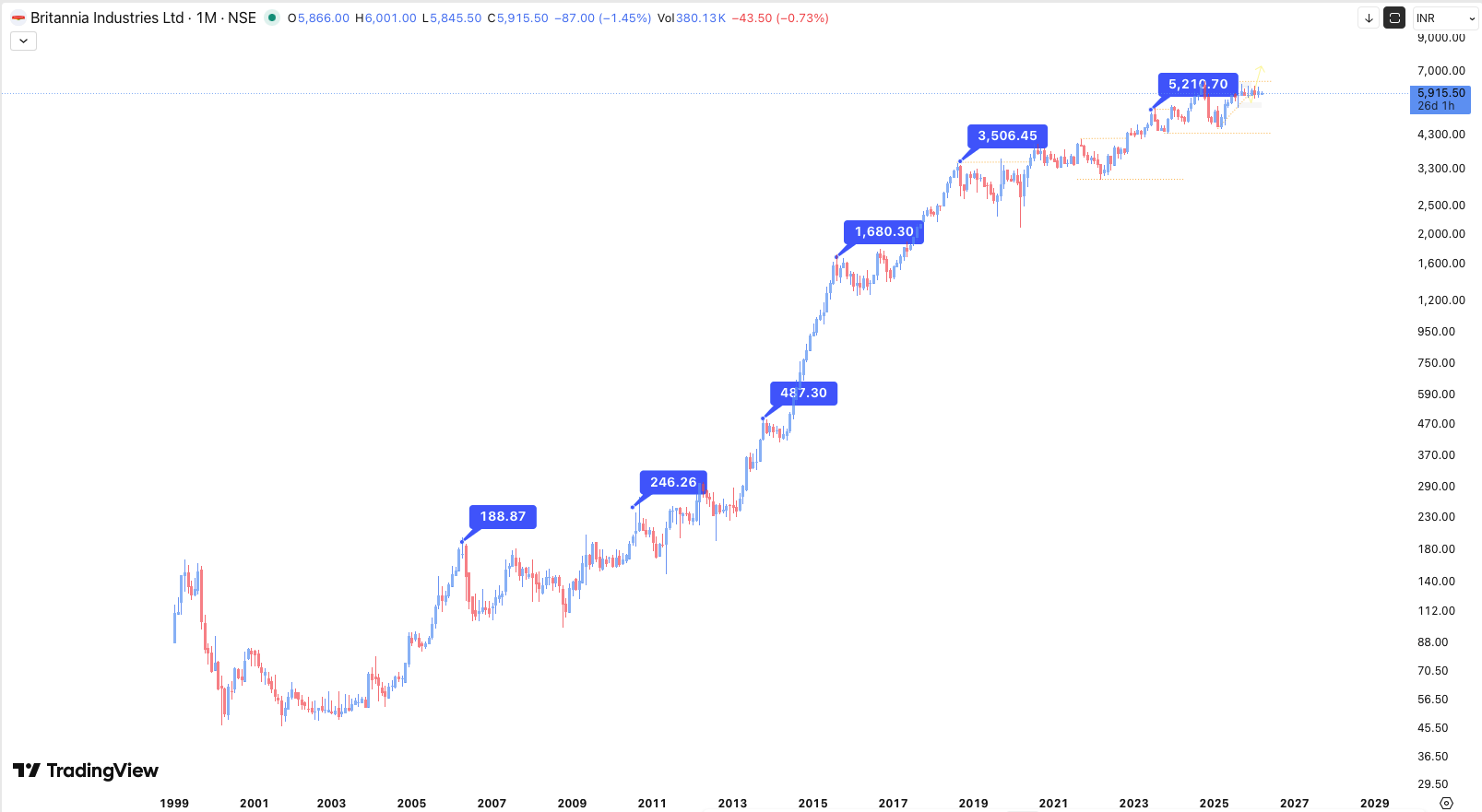
The 3 Rules for Stock Selection in Any Falling Market
Rule 1: Never use share price as a filter. Use earnings quality and valuation metrics instead.
Rule 2: If institutional investors have consistently avoided a stock, respect that signal.
Rule 3: Buy businesses, not share counts. Own fewer shares of excellent companies rather than thousands of shares in weak ones.
Final Word
Penny stocks in a falling market are not an opportunity. They are a psychological trap dressed up as a bargain. The investors who consistently build wealth during market corrections are not the ones who find the cheapest stocks — they are the ones who find the best businesses available at temporarily reduced prices.
Price is what you pay. Value is what you get. Every rupee you invest deserves to be working inside a business that earns, grows, and compounds — not one that is cheap simply because it has always been cheap.
The market will recover. Make sure your stocks recover with it.
This content is for educational purposes only and does not constitute financial advice.
For more content, you can check here.
You can follow my social platforms here.
700+ YouTube content. You can subscribe to more live content here.
2200+ Twitter postings on live proof here.
Follow the Facebook page for updates.